Psychology
Table of Contents
- 1. Jungian Model of the Psyche
- 2. Jungian Archetypes
- 3. Maslow's Heirarchy of Needs
- 4. Attachment Theory
- 5. Big Five Personality Traits
- 6. Charm
- 7. Morality
- 8. Hyperbolic Discounting
- 9. Defusing Procrastination
- 10. Loss Aversion
- 11. Cycle of Change
- 12. Bronfenbrenner's Ecological Systems Theory
- 13. Developmental Psychology
- 14. References
1. Jungian Model of the Psyche
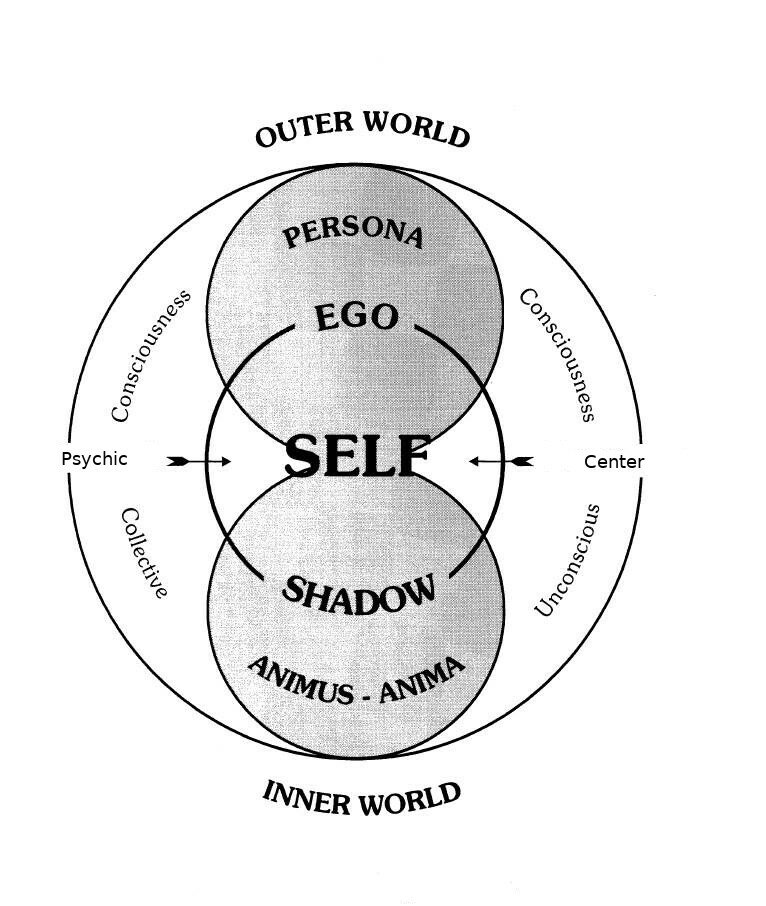
1.1. Self
The archetype of the ego. It is the whole that overarches the conscious and unconscious realm.
1.2. Ego
The window through which one recognize about their psyche.
1.3. Shadow
The repressed complexes that didn't not get to be integrated into the persona.
1.4. Persona
The exposed personalities that has some degree of autonomy.
2. Jungian Archetypes
The archetypes of personality, glimpsed through the myths, poems, and stories.
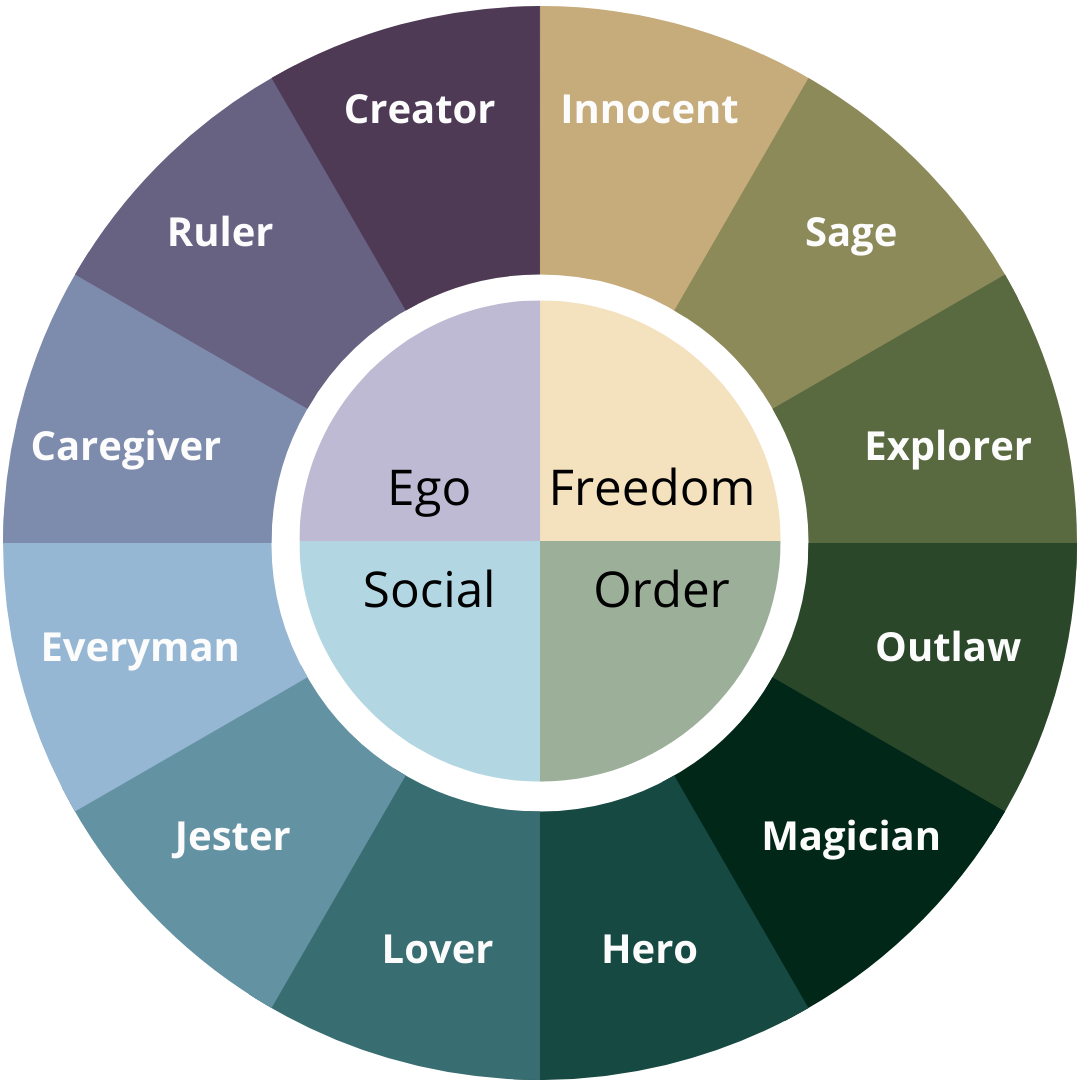
- The Innocent
- The Sage
- The Hero
- The Caregiver
- The Explorer
- The Ruler
- The Rebel
- The Lover
- The Creator
- The Jester
- The Magician
- The Everyman
3. Maslow's Heirarchy of Needs
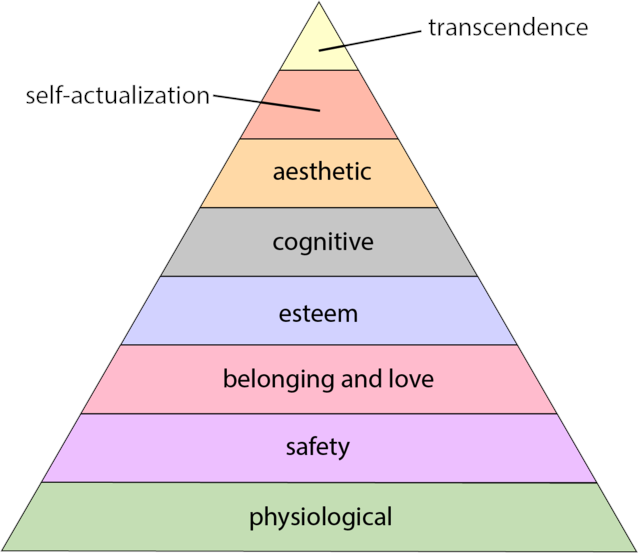
3.1. Self-actualization
- Morality
- Spontaneity
- Problem Solving
- Lack of Prejudice
- Acceptace of Facts
3.2. Aesthetic
- Physical Appearance
- Dressing
- Grooming
3.3. Cognitive
- Comprehension
- Creativity
3.4. Esteem
- Self-esteem
- Confidence
- Achievement
- Respect of Others
- Respect by Others
3.5. Belonging and Love
- Friendship
- Family
- Sexual Intimacy
3.6. Safety
- Body
- Employment
- Resources
- Morality
- Family
- Health
- Property
3.7. Physiological
- breathing
- food
- water
- sex
- sleep
- homeostasis
- excretion
4. Attachment Theory
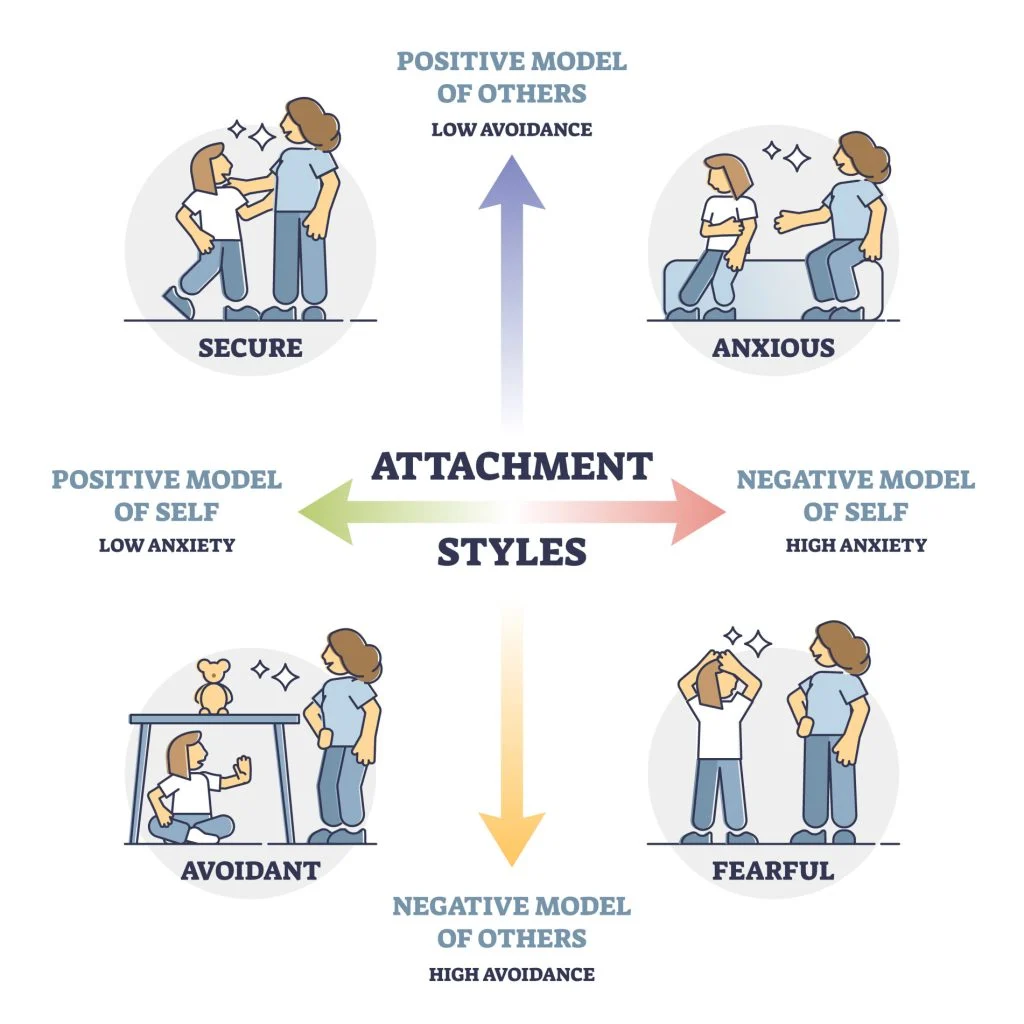
4.1. Secure
4.2. Anxious
- Preoccupied
4.3. Avoidant
- Dismissive
4.4. Fearful
- Disorganized
5. Big Five Personality Traits
- Big 5, Five-Factor Model (FFM), OCEAN
It is based on factor analysis, over the description of one's personality.
- Openness to experience : 목
- Conscientiousness : 토
- Extraversion : 화
- Agreeableness : 수
- Neuroticism : 금
6. Charm
- innate feeling
- difference within the boundary
- repetition compulsion
7. Morality
7.1. Development
Piaget argued that the idea of morality is developed in certain stage of childhood, just like the understanding of the conservation of volume of water.
Kohlberg divided the development into pre-conventional, conventional, and post-conventional stages. He noticed that conventional rules and moral rules are treated differently.
Turiel developed method to tell apart conventions from moral rules: unalterable, universal. He suggested that the morality is attained on the basis of fairness and harm.
Shweder found that the line between convention and morality differs according to the culture.(Jonathan Haidt, 2012)
In korea, the courtesy is part of the morality.
8. Hyperbolic Discounting
Human perception of the value diminishes as the event moves farther in the future.
The tendency is captured in the hyperbolic discounting formula. \[ V(t) = \frac{V_0}{1+ kt} \] where \( V_0 \) is the actual value, \( k \) is the discount rate parameter, and \( V \) is the perceived value.
9. Defusing Procrastination
We have list of things that is easy to do and we want to do, and list of things that we should do and don't want to do in our working memory.
We do cost-benefit analysis on those things, and choose the next behavior. If the objective is too vague or too consuming the cost outweighs the benefits, and we do not choose to do it. If the benefit is too little we also do not choose to do it.
Find the balance and shift the goal post to your favor.
Do the next best thing [in terms of benefit].
Add those missing middle to your working memory.
Working memory is reset when walking through a door (doorway effect). Reset and build it to your likings.
10. Loss Aversion
Human tends to achieve the lowest loss possible, even if it risks greater loss.
11. Cycle of Change
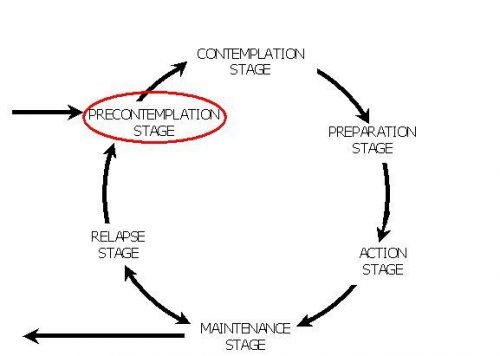
Framework for process of personal transformation developed by Prochaska and DiClemente.
12. Bronfenbrenner's Ecological Systems Theory
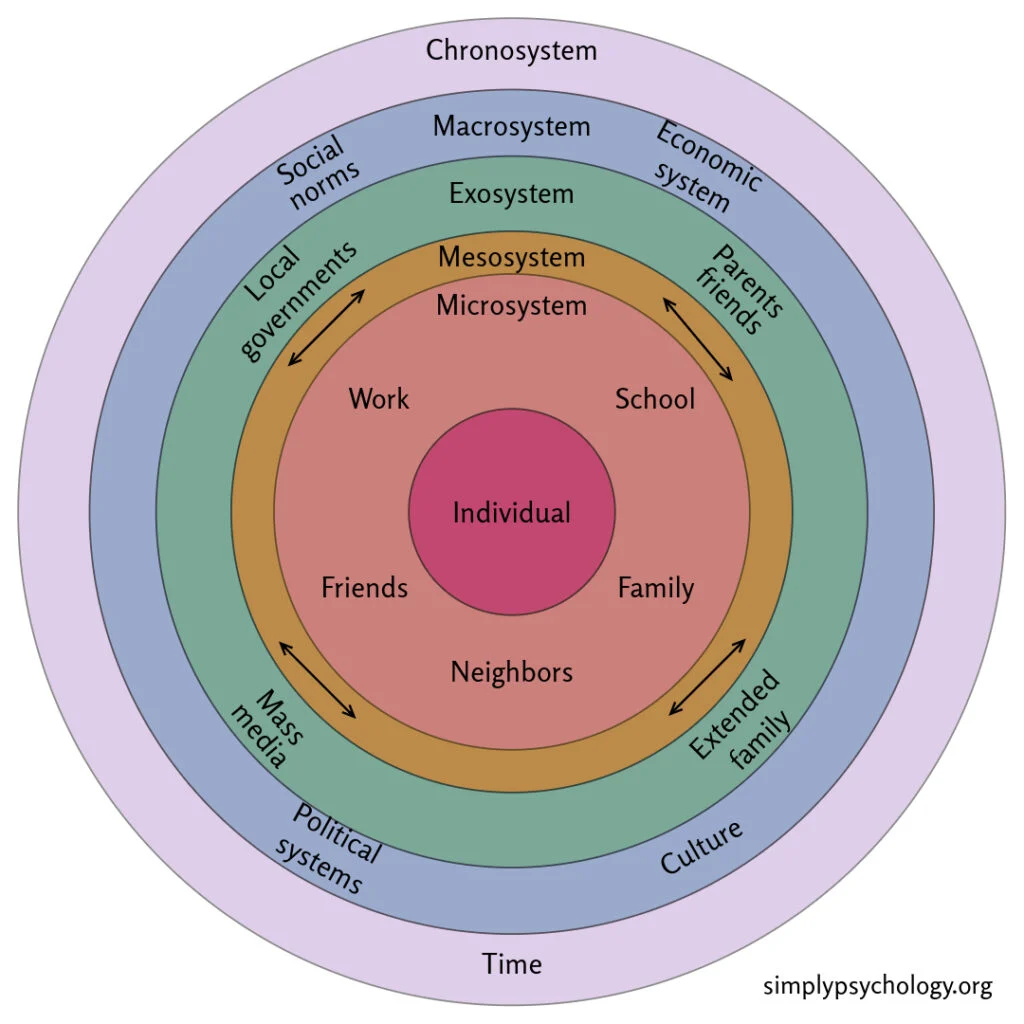
12.1. Microsystem
Institutions and groups that most immediately impact the development.
12.2. Mesosystem
The interconnections between the microsystems.
12.3. Exosystem
The indirect influences that do not involve the child.
12.4. Macrosystem
Overarching culture.
12.5. Chronosystem
Environmental events and socio-historical circumstances.
13. Developmental Psychology
13.1. Homo Ludens
Johan Huizinga. 1938.
Roughly, "Human that plays"
We learn by playing
14. References
- Exploring the Depths of the Mind: An Introduction to Carl Jung's Structure of…
- Self in Jungian psychology - Wikipedia
- Jungian archetypes - Wikipedia
- 12 Jungian Archetypes: The Foundation Of Your Personality - HeroRise
- Attachment Theory In Psychology Explained
- The Math Behind Procrastination: Hyperbolic Discounting - YouTube
- How To Defuse Procrastination And Be Productive (Without Using Willpower) - YouTube
- Laurie Santos: How monkeys mirror human irrationality - YouTube
- Cycle of Change - Intervention Hub
- Ecological systems theory - Wikipedia
- Bronfenbrenner's Ecological Systems Theory
- Homo Ludens - Wikipedia